EVM Part II: The Journey of Smart Contracts from Solidity code to Bytecode - 1st Section

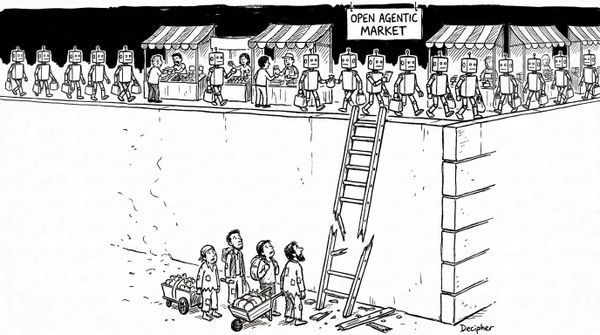

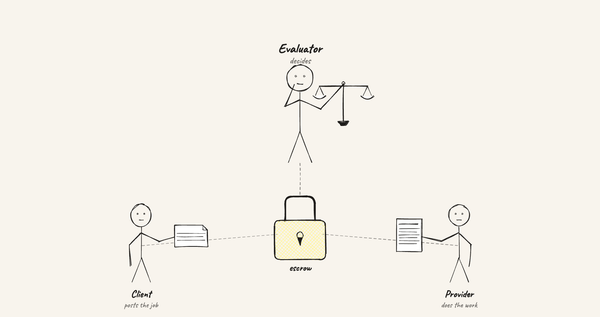
Machines can now hire other machines. Not through API keys, or subscriptions, or a human clicking "approve" on a payment screen. Through an Ethereum standard — with escrow, evaluation, and enforceable service agreements baked into the smart contract. ERC-8183 is the Agentic Commerce Protocol. It defines how an

ERC-8004 gave agents an identity. It forgot they live on more than one chain. Three months after launch, the standard has ~200,000 registered agents across 23+ chains. That number reads like adoption. Look closer and it reads like a problem. Every one of those agents is registered on