Part II: Replace modifiers with private functions and reduce your contract's size


I spent a week inside Coinbase's AgentKit — tracing every layer from the chat prompt to the on-chain transaction — and came out with a few helpful mental model for those starting out. AgentKit is one of the most talked-about tools for building AI agents that interact with
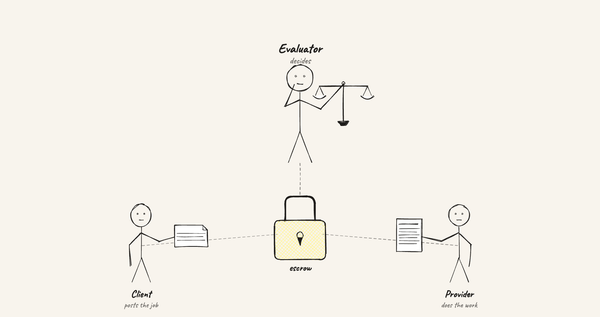
Machines can now hire other machines. Not through API keys, or subscriptions, or a human clicking "approve" on a payment screen. Through an Ethereum standard — with escrow, evaluation, and enforceable service agreements baked into the smart contract. ERC-8183 is the Agentic Commerce Protocol. It defines how an

ERC-8004 gave agents an identity. It forgot they live on more than one chain. Three months after launch, the standard has ~200,000 registered agents across 23+ chains. That number reads like adoption. Look closer and it reads like a problem. Every one of those agents is registered on
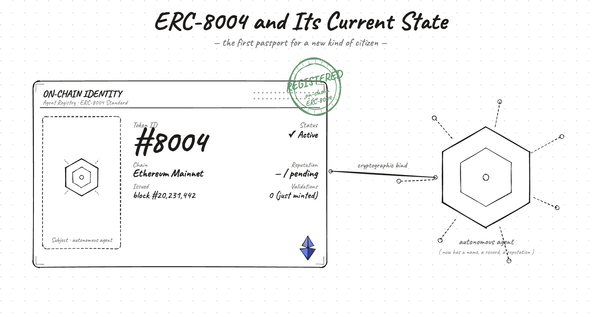
ERC-8004 is not what you think it is. Most people hear "trustless agents" and assume the standard delivers trustlessness out of the box. It does not. What it delivers is something more modest and — honestly — more useful at this stage: a coordination primitive that gives AI agents